
Practice Makes Improvement
The research is done. The speech is ready. After piecing it all together, now comes the time to spend countless hours learning what to say during the actual presentation. There are many different methods to the art of practicing. But whether you decide to remember by making note cards (or an outline), reciting the information […]

Greeting Your Audience
Greeting your audience allows them to join you with full engagement and excitement, from the very start.

The Importance of Eye Contact When Speaking
Eye Contact – How Important Is It? There are a handful of techniques, tips, and tricks that can make anyone a more effective public speaker. A change in vocal tone and range can help. We all work at keeping those nerves under control. And let’s not forget, practice, practice, practice. But there is one thing that a […]
Fighting Nerves When You’re In Front of An Audience
When speaking in front of an audience, it’s very common to feel a wave of nerves intercept your brain and your body. Make sure you have the tools for fighting nerves. Once you find yourself making eye contact with a room of people, you may find yourself battling nervous shakes or experiencing a mental block […]
Convince Your Audience – The Persuasive Speech
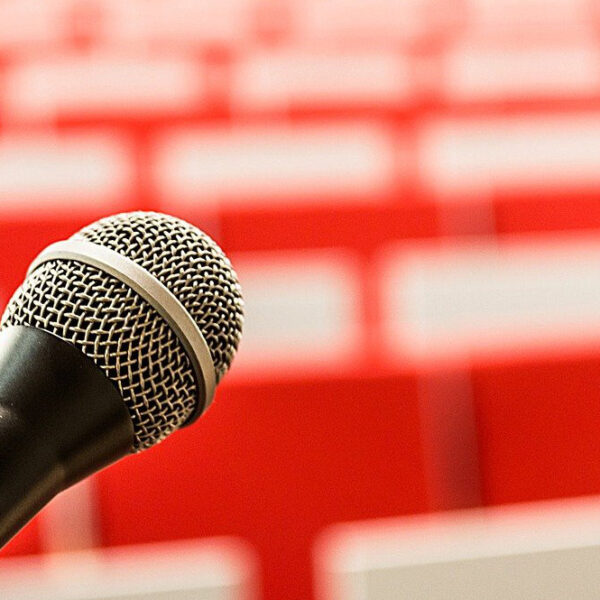
The goal of a persuasive speech or presentation is to influence and change the opinions and actions of others. Some examples of the persuasive speech include: a sermon, a homily, a political campaign speech, a sales presentation, coaching another person or a group, a lawyer’s statements to a jury or judge, and even asking for […]
How to Give Great Presentations
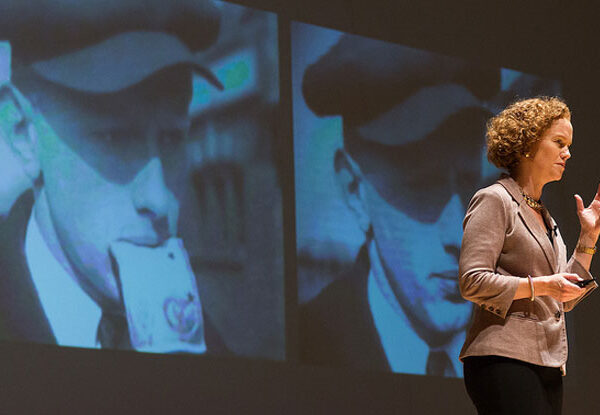
How to Give Great Presentations When giving a presentation, there are four areas to consider to ensure that your audience gets the most value. These are: content, visuals, body language, and speech. For example: WHAT THEY WILL LEARN – CONTENT Determine the purpose – decide what you want your audience to know/do with the material you are […]

Pet Peeves
Does it bother you when people butcher the English Language, or make mistakes that could be avoided? For example: Do you find it irksome that the United States calls their end-of-season Major League baseball game The World Series, when only two countries are involved? Or is it annoying when people call Independence Day the Fourth […]

Avoid Filler Words and Verbal Tics
When speaking in front of an audience, it can be very easy to fall back on filler words and verbal tics. You probably don’t even know that you are doing it! It’s distracting when a speaker continuously says “um” or “ah” during a presentation. It can even make the speaker sound like s/he’s not sure of […]
Noise or Noises – Which Is Correct Grammar?
A pair of friends disagreed on which is correct. Is it “noise,” or “noises”?
From what you know, what would you say? Which is correct?