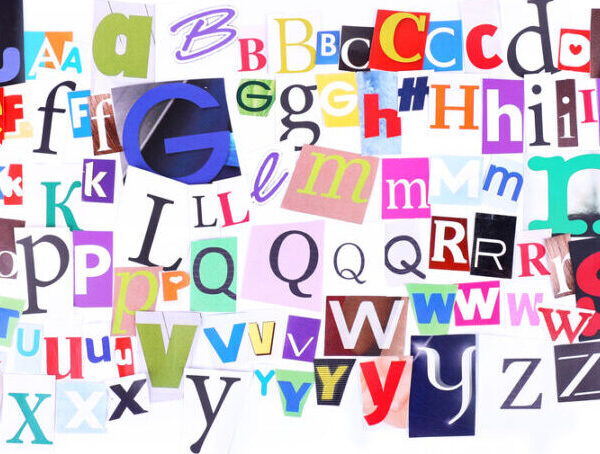
Using capital letters properly is a sign of respect for your audience and subject.
By not using, or misusing capital letters, your readers may think that you don’t know what’s correct (or even worse, don’t care). It may send a message to others that makes you look thoughtless. None of us would want that.
If you want to know when to use capital letters (majuscules) in writing, take a look at the guidelines below from Improving Communications.
Capitalize:
The first word in a sentence Use the materials sparingly.
Proper nouns (not common nouns) Stephen King (vs. writer)
Names of cities, states, and countries Omaha / Nebraska / Ireland
Names of races, people, and languages Caucasian / French / Italian
Days, months, and holidays Tuesday / March / Independence Day
Words pertaining to the sacred God / Christ / Buddha / Allah
Important words in titles “Let’s Groove” / Angela’s Ashes
Direction names (used as nouns) He lived out East. / The South is hot.
Words used as names Dad / Grandma / The Boss
Titles referring to a specific person Doctor Jones (notthe doctor)
This may not seem like too many rules for using capital letters, but too often these simple guidelines are ignored. It is important to correctly use capital letters to show that you know what you are talking about, as well as informing your readers correctly on the topic. And be careful not to overuse capitals either. See the article link below about how capital letters can be seen as yelling!

“Capital idea, my boy! Capital idea!”
(The immortal words of Thurston Howell III)
Photo Courtesy: Northridge Alumni Bear Facts
This information is from our Business Writing curriculum. If you’re looking for ways to improve your communication skills, register for one of our public classes.
Other Resources:
How Capital Letters Became Internet Code for Yelling
Capital Letters: A Usage Guide
Why Does English Have Capital Letters?

Rich Atkins is the Managing Director of Improving Communications, a New York-based corporate training firm that, in addition to Speaker Services, offers Business Writing, Public Speaking & Presentation Skills, Sales and Negotiation, Customer Service, Leadership, Staff Development, and Human Resources training. He is also the Director of Improving Communications UK and Improving Communications IE.