
Motivation is an internal state that propels individuals to engage in goal-directed behavior. It is often understood as a force that explains why people or animals initiate, continue, or terminate a certain behavior at a particular time. It is a complex phenomenon and its precise definition is disputed. It contrasts with amotivation, which is a state of apathy or listlessness. Motivation is studied in fields like psychology, motivation science, and philosophy. Wikipedia
Motivating Employees
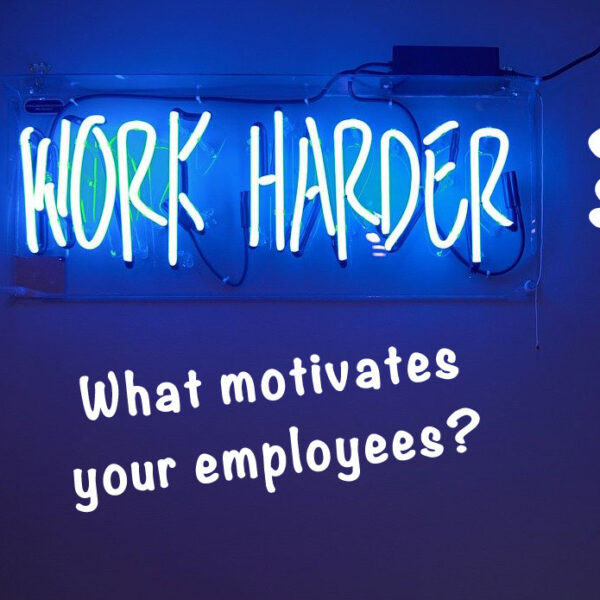
What really motivates employees?
When people feel empowered and inspired, they take initiative. They sense ownership in their work. The leader’s role is crucial in making this happen. First and foremost, it is essential to grasp what genuinely motivates employees. Understanding this is fundamental. Discovering what drives them to excel is pivotal.
What the modern workforce wants from their jobs:
-
Work-Life Balance
- Flexible schedules and work locations.
- Support for personal time and family commitments.
-
Purpose and Meaning
- Meaningful work that contributes to a larger cause.
- Alignment with personal and societal values.
-
Career Growth
- Continuous learning opportunities.
- Clear pathways for advancement.
-
Inclusive and Respectful Culture
- Emphasis on diversity and inclusion.
- Equal opportunities and respect for all employees.
-
Recognition and Fair Compensation
- Regular acknowledgment of achievements.
- Competitive salaries and benefits.
Questions to promote thought and boost employee motivation::
- What training and development opportunities do we offer?
- How do we ensure employees’ work is challenging and meaningful?
- How can we increase collaborative decision-making?
- How do we recognize and reward employees who boost profits or save money?
- What steps can we take to improve two-way communication between employees and leaders?
Consider the Source of Motivation
Understanding your team’s motivation requires direct engagement. During performance appraisals, discuss achievements and goals. Use periodic attitude surveys to uncover their needs. Additionally, check in with informal conversations to learn about their aspirations and concerns. Gathering this data is crucial for creating a motivating work environment, leading to increased satisfaction and productivity.
Here are some markers you can use to find out where their motivations are coming from:
| Extrinsic (to earn a reward or avoid punishment) | Intrinsic (because you like doing it) |
| Benefits Job security Policies Relationships with coworkers Salary Status Supervision Work conditions | Achievement Actual work Advancement Growth Job position Recognition Responsibility |
Other Best Practices
- Coach your employees to maximum achievement.
- Ensure that work is meaningful.
- Incentive programs mean sharing profits with an employee who makes money for the company.
- Lead – be visible.
- Remember the law of expectation “in life, you get what you expect.” Therefore, have confidence in your employees.
- Reward and recognize beneficial behaviors.
- Set goals for yourself and them.
Understanding motivation is crucial when managing others. Therefore, the best approach is to communicate clearly and effectively with your staff.
This information is from the Improving Communications Leadership and Staff Development training classes curriculum. If you’re looking for ways to improve your overall communication skills, register for one of our upcoming public classes.
Other Sources: Motivates Employees
What Motivates Employees — Found on WSJ.com
14 Highly Effective Ways to Motivate Employees
Motivating Employees — HR360.com

Rich Atkins is the Managing Director of Improving Communications, a New York-based corporate training firm that, in addition to Speaker Services, offers Business Writing, Public Speaking & Presentation Skills, Sales and Negotiation, Customer Service, Leadership, Staff Development, and Human Resources training. He is also the Director of Improving Communications UK and Improving Communications IE.