
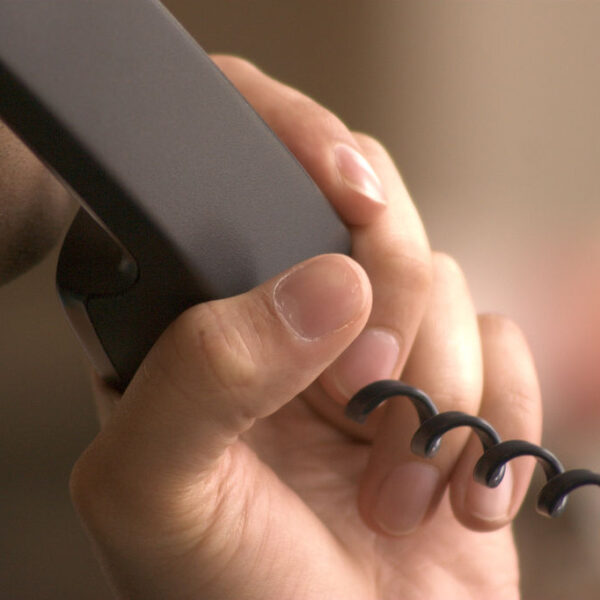
When you say ‘customer engagement’ you are describing the customer’s direct interaction with your company. Sometimes it makes no difference how good your product is or how strong your staff is, customers always remember their communications with your company.
When you’re finished speaking with a customer, that is when s/he starts talking. The question is, what will this customer say?
Customers react in one of three ways about you and your company’s service. They will say:
- something positive,
- something negative, or
- nothing.
What do you want your customers to say after a typical transaction? It’s all up to you.
Create customer loyalty! We’d rather have loyal customers than just satisfied ones. Service creates a feeling. The simple secret is: Don’t give any feeling to others you wouldn’t want to feel yourself. Customer service is a matter of perspective: put yourself in their shoes.
PHONE BLUNDER #1
“Is so-and-so there?”
“She’s not available right now. Can you call back in 15 minutes?”
“No. But you can take a message and have her call me.”
“Oh she’s really busy, and I can’t guarantee that she’ll call back.”
“Is it company policy not to return phone calls? Look, I’m the one who’s calling now. She’s not available. That doesn’t place the burden on me to call again.”
QUESTION: When did it become acceptable to say “not available, call back”? What’s the right Customer Service approach on this issue?
PHONE BLUNDER #2
“We’ve never heard that [complaint] before.” (Translated: Something must be wrong with you. Everybody else is fine with our service or product.)
FACTS/Take-Aways
- Bad Customer Service Representatives (CSRs) don’t need to be fired, they need to be trained.
- Customer Service training needs to be presented to the managers first, then the CSRs.
Kudos to CSRs who:
- are friendly and efficient.
- remember and use people’s names.
- take responsibility for the problem without excuses.
- go above and beyond, like proactively offering a token credit for a company mis-step.
Successful customer engagement is vital to the success of your business, Make sure that your staff has the skills and know-how to interact successfully with your customers.
Finally, make sure to listen to the customer! Learn about the good, the bad, and the ugly experiences your customers have, ask for feedback.
This information is from our Customer Service curriculum. If you’re looking for ways to improve your communication skills, register for one of our public classes.
Photo courtesy of Martin Cathrae.
Other Customer Engagement Resources:
21 Customer Service Phrases that Can Make or Break Your Business
Is Customer Service Call-Back a Call Center Cure-All?

Rich Atkins is the Managing Director of Improving Communications, a New York-based corporate training firm that, in addition to Speaker Services, offers Business Writing, Public Speaking & Presentation Skills, Sales and Negotiation, Customer Service, Leadership, Staff Development, and Human Resources training. He is also the Director of Improving Communications UK and Improving Communications IE.