
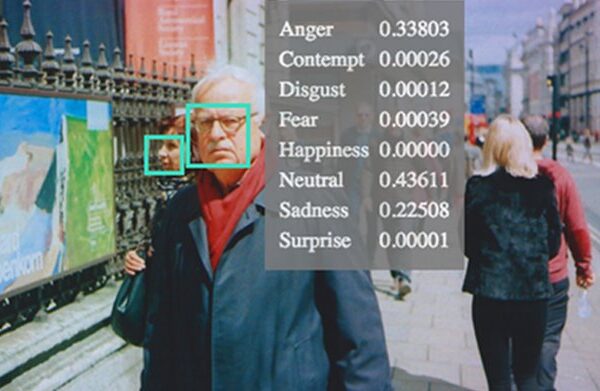
| What do |
|
have in common? |
Emotional Intelligence (EI) is the ability to perceive, assess and positively influence one’s own and other people’s emotions. Emotions are habits, as old as the user. EI Includes:
- Self-awareness – knowing your own feelings.
- Managing emotions – despite fear or anger.
- Self-starting – getting things done.
- Empathy – knowing others’ feelings without them telling you.
- Social Skills – handling your emotions in relationships with others.
EI is essential for enabling us to connect with others and improve interpersonal communication in the workplace and in our social relationships. It can play an important role in dealing with stress and improving motivation or refining decision-making skills.
Controlling Your Emotions
How to control your own emotions:
- Breathe.
- Name the emotion.
- Think – solve – ask yourself for a solution.
Understanding Others’ Emotions
How to control others’ emotions:
- Breathe.
- Name the emotion (out loud, if appropriate – shows empathy).
- Ask for a solution (to start the other person thinking).
Observations of people in the workplace show that individuals who have a higher Emotional Intelligence appear better equipped to work within teams, deal with change, and ultimately manage stress – enabling them to work more effectively.
The Six Basic Emotions
- Happiness
- Sadness
- Anger
- Fear
- Disgust
- Surprise
What causes anger?
A lack of respect and control.
What causes aggression?
Real or fancied fear, coupled with
associated demands.
Emotionally Speaking
|
Healthy |
Unhealthy |
|
In the First Person |
In the Second Person |
|
“I feel hurt.” |
“You are an idiot.” |
|
Responsible for feelings |
Not responsible for feelings |
|
Respectful |
Disrespectful |
|
Understands others |
Self-centered |
|
Listens |
Tells |
Increasing Emotional Intelligence
When people become emotionally literate, they will better manage their own emotions, as well as the emotions of others. In the workplace, there will always be conflict that will interrupt work and productivity. Developing the EI of your business managers and workers will give them skills for working through these difficulties and help them to find a balance.
This information is from our Leadership curriculum. If you’re looking for ways to improve your communication skills, register for one of our public classes.
Photo courtesy of Jon Nicholls
Other references:
Why Emotional Intelligence is Critical for Leaders
Emotional Intelligence in Leadership
How to Increase Your Emotional Intelligence
Boost Emotional Intelligence in the Workplace

Rich Atkins is the Managing Director of Improving Communications, a New York-based corporate training firm that, in addition to Speaker Services, offers Business Writing, Public Speaking & Presentation Skills, Sales and Negotiation, Customer Service, Leadership, Staff Development, and Human Resources training. He is also the Director of Improving Communications UK and Improving Communications IE.